follidermclinic@outlook.com | +977 15970790


Your Subscription Has Expired
Thank you for being a valued customer. We appreciate your business. Unfortunately, your subscription to Accessible Doctors has expired. To continue enjoying the full range of features and benefits, please renew your subscription.
Folliderm hair care experts Services
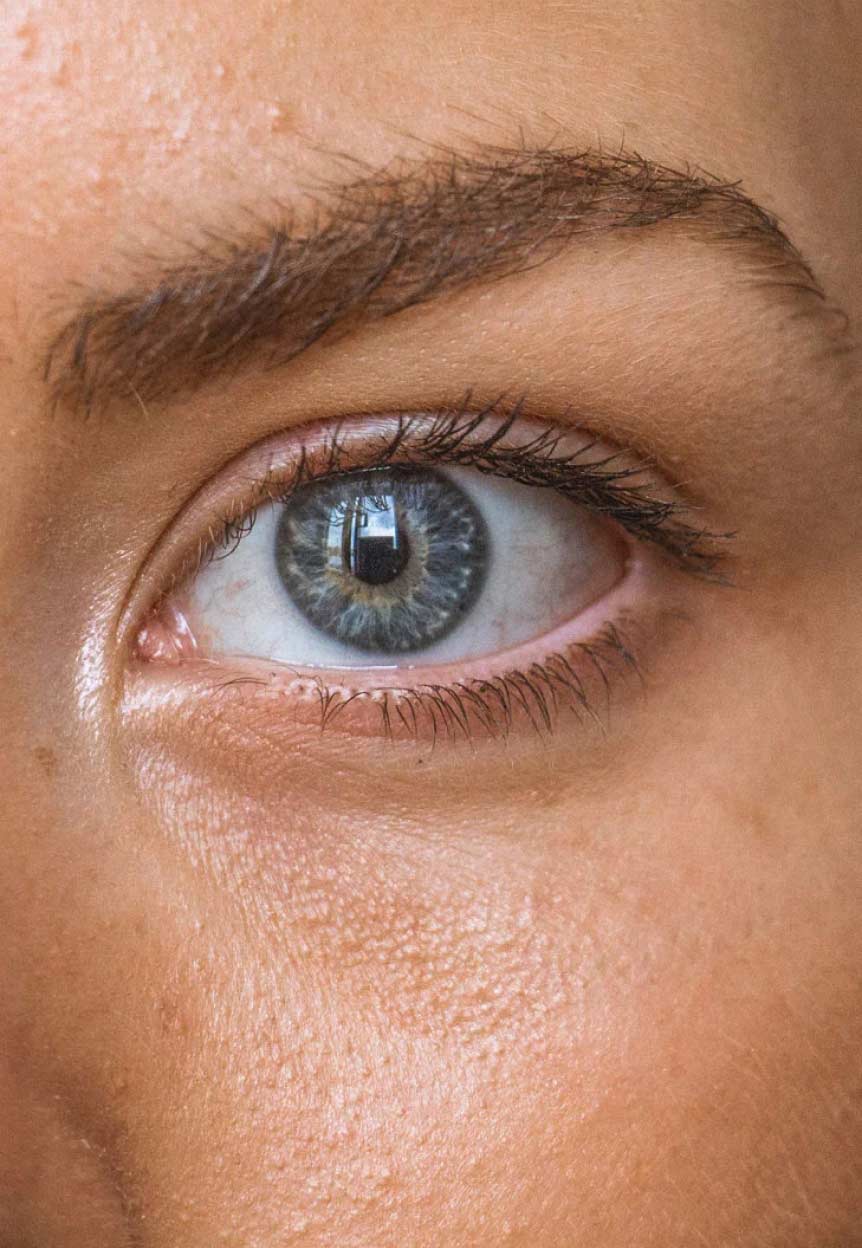
Eyebrow Transplant
Eyebrow transplant in Nepal is in the verge of becoming a popular procedure because eyebrows constitute a very important and prominent feature of the face.However, though it is a small area it requires a lot of precision and knowledge regarding anatomy, designing of brows, extraction and implantation technique. An eyebrow transplant is a cosmetic procedure where hair grafts are transferred to your brow area. Like hair transplant surgery, during an eyebrow transplant hair is taken from a donor site and transferred to the brow area. This goal is that new hairs will grow from these grafts, producing a fuller look.

Body hair Transplant
Body Hair Transplantation (BHT) involves a specialized method where hair from different body parts like the chest, back, arms, or legs is used to regrow hair on the scalp or other areas. At Folliderm, our expert surgeons have perfected the art of BHT, providing a viable solution for individuals with limited scalp donor hair and helping them achieve their desired look.

Male Hair Transplant
A hair transplant for men is a surgical technique which helps in regaining hair in regions that are thinning or bald. During the process, hair follicles are taken from a donor site—typically the back or sides of the head, where hair tends to be stronger—and then relocated to the balding areas. This method provides a lasting and natural-looking remedy for hair loss, enhancing self-esteem and overall appearance. Male Hair Loss is a common issue, primarily due to a combination of genetic, hormonal, and environmental factors. At Folliderm, we’ve successfully performed over 2,500 hair transplant procedures, helping men from all around the world, including Nepal, regain their confidence.
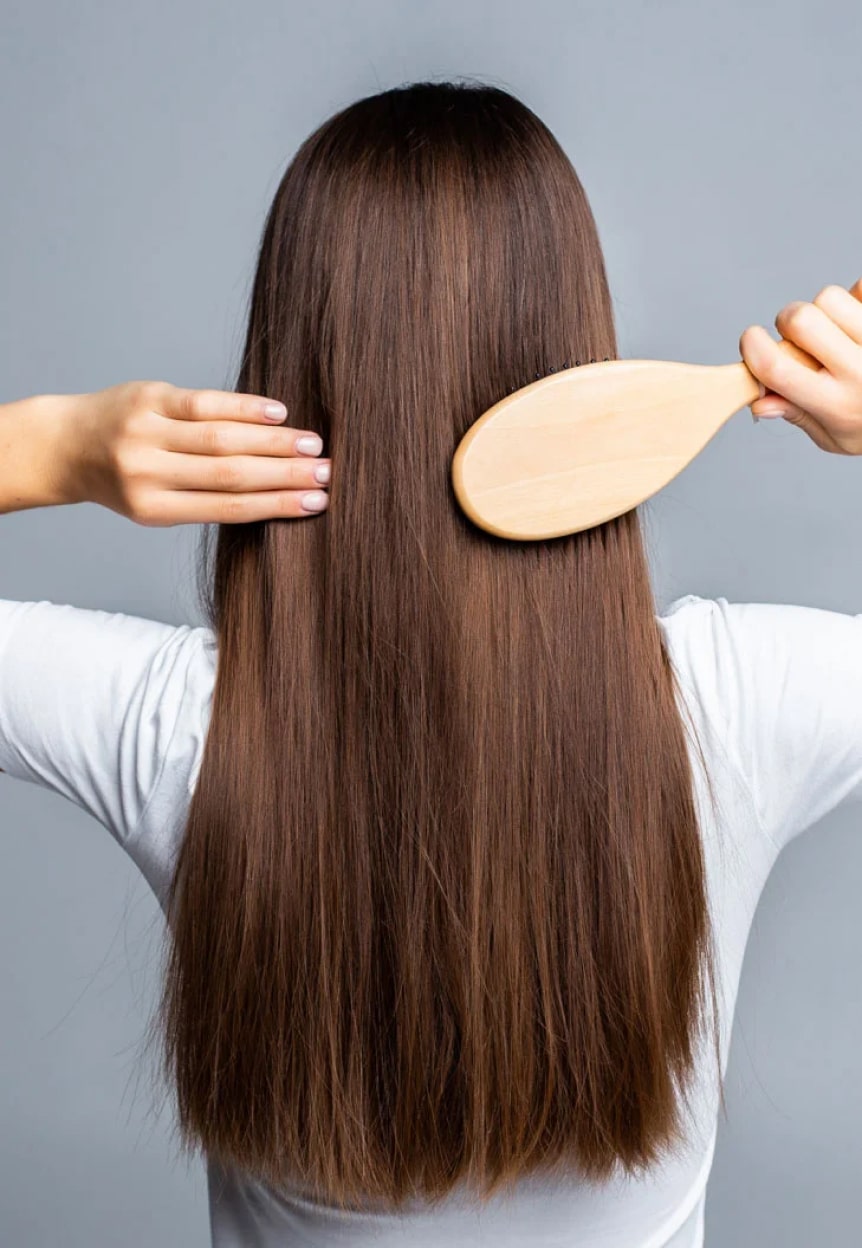
Female Hair Transplant
Hair loss can be challenging, especially for women who value their hair as a key part of their identity. Whether caused by genetics, hormonal imbalances, stress, or underlying medical conditions, thinning hair can significantly impact self-esteem and emotional well-being. Unlike men, women often experience diffuse hair thinning, making the need for a precise and personalized approach even more critical.At Folliderm, we understand the unique challenges of female hair loss and offer specialized female hair transplant in Nepal to help restore not only your hair but also your confidence. Our advanced techniques focus on delivering natural-looking, permanent results tailored to each individual’s needs.At Folliderm, we’ve successfully performed over 2,500 hair transplant procedures, empowering women from around the world, including Nepal, to regain their confidence.

Hair Transplant Over Scar
The hair follicle transplantation on the scar tissue is more difficult than grafting on normal tissue because the scar is accompanied by poor blood circulation and stiffness of tissue. It’s not like regular skin at all, so scar tissue can’t accept a typical hair transplant where hair is inserted into existing follicles. In order to transplant hair onto a scar, a surgeon will graft hairs that are still contained in their follicles into the scar. This lets the hair begin taking root and growing again once they make contact with blood vessels.
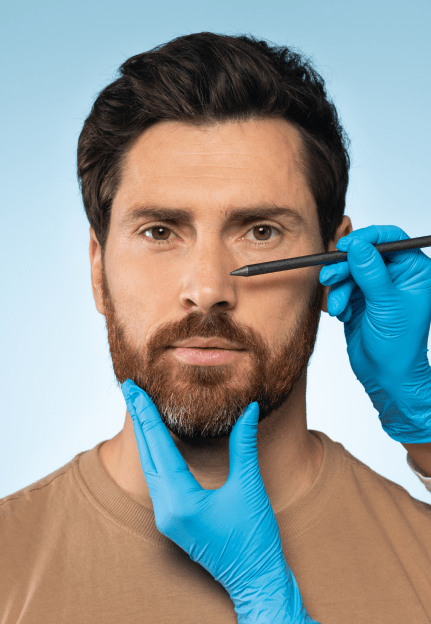
Beard and Moustache Hair Transplant
Beard and mustache reconstruction has seen a significant rise in popularity and acceptance over the past decade, becoming a sought-after procedure for men looking to address hair density deficits in facial areas or enhance their existing facial hair. This procedure is not just about filling in sparse areas; it’s also about sculpting and defining the beard and mustache to achieve a fuller, more aesthetically pleasing look. As demand continues to grow, advancements in transplantation techniques have made it possible for skilled surgeons and their trained teams to deliver near-natural results. By carefully refining the angle, direction, and density of each transplanted hair, these experts can create a seamless blend with the existing facial hair, providing men with the confidence of a well-defined beard and mustache.
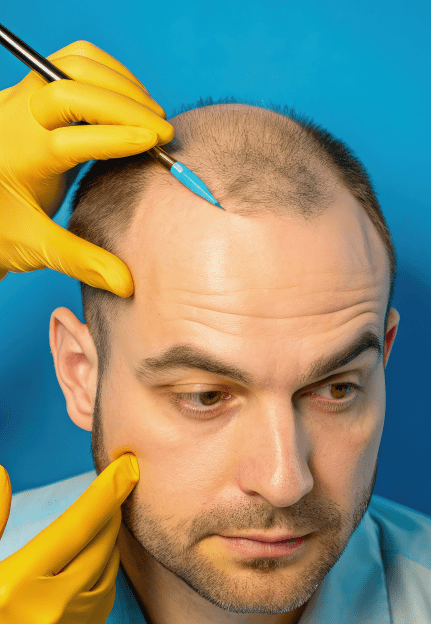
Repair of Failed Hair Transplant
A repair hair transplant, also known as a corrective hair transplant, is a specialized procedure designed to address and improve the results of a previous hair transplant that did not meet the patient’s expectations. This procedure focuses on correcting issues such as unnatural hairline placement, poor hair density, scarring, or uneven hair growth. By carefully removing and repositioning existing grafts, or adding new ones, our skilled surgeons at Folliderm work to create a more natural-looking appearance. Given the complexities involved, such as working with scar tissue and limited donor supply, the success of a repair hair transplant relies on the expertise and precision of the surgeon to achieve the best possible outcome.
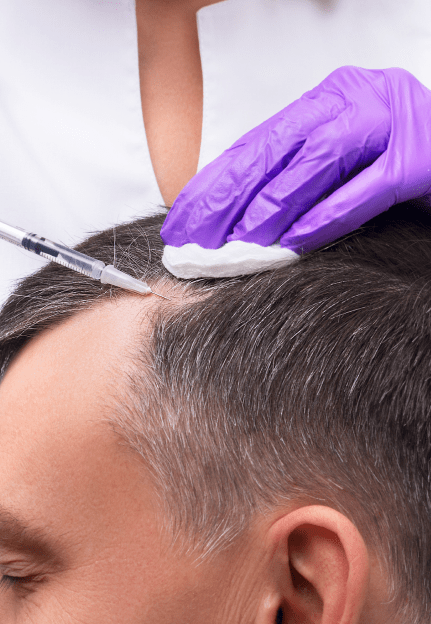
Hairline Reconstruction
Hairline reconstruction is a surgical procedure that aids in the improvement of the look of the frontal hairline. While performing hairline reconstruction surgery, the patient’s preferences, such as hairline height, scalp laxity, and many other essential aspects, are always kept in mind. A thoughtfully planned and done hairline reconstruction surgery can immediately enhance your appearance and make it more aesthetically appropriate.
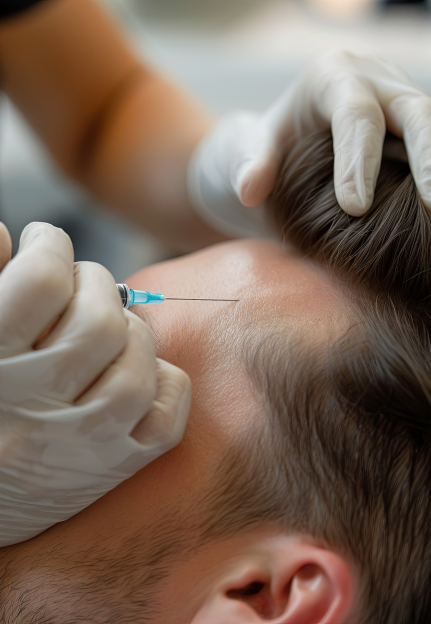
Scalp Micropigmentation
Scalp Micropigmentation (SMP) is a highly effective, non-surgical cosmetic procedure that replicates the appearance of hair follicles on the scalp. By carefully applying natural pigments to the skin, SMP creates the illusion of a fuller head of hair, making it an excellent option for both men and women at various stages of hair loss. Whether you’re experiencing thinning hair, bald spots, or want to conceal scars from previous hair transplant surgeries, SMP offers a realistic and long-lasting enhancement to your appearance. This specialized technique mimics the look of natural hair follicles, providing subtle yet impactful results. SMP is particularly beneficial for individuals who may not be ideal candidates for hair transplants due to limited donor hair or extensive thinning.